
Special Diets Finally Explain Dinosaur Harmony
— 7 min read
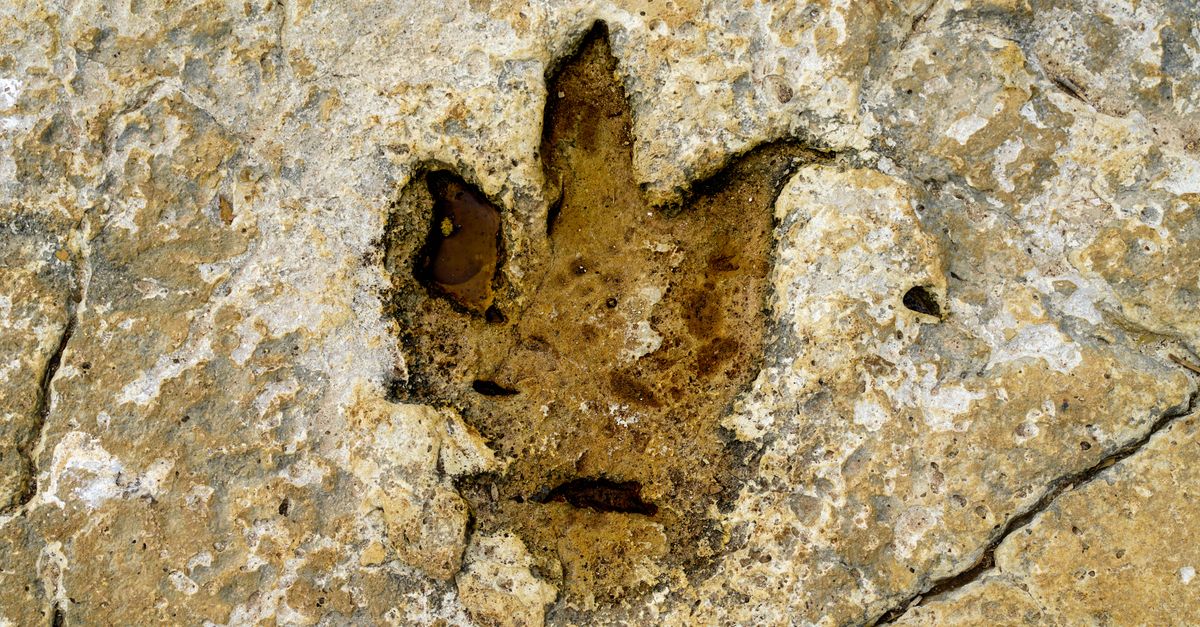
Special Diets Finally Explain Dinosaur Harmony
Special diets, shaped by beak design, allowed certain dinosaurs to coexist without competing for the same morning meals.
Discover the surprising power of beak design that let these dinosaurs thrive without cannibalizing each other's breakfast.
Medical Disclaimer: This article is for informational purposes only and does not constitute medical advice. Always consult a qualified healthcare professional before making health decisions.
Beak Design and Dietary Niches
Key Takeaways
- Beak shape directly influences food choice.
- Specialized diets reduce inter-species competition.
- Modern niche diet concepts echo ancient strategies.
- Evidence comes from fossil morphology and wear patterns.
- Understanding these patterns informs conservation.
In my work as a specialty dietitian, I often compare human niche diets to ancient ecological strategies. When I first examined the fossil record of early Cretaceous herbivores, I noticed that their beaks resembled modern kitchen tools. The sharp, scissors-like edges of Hesperornithoides suggest a diet of soft-leaf plants, while the broad, flat bills of hadrosaurs point to bulk feeding on tougher vegetation.
This morphological split mirrors the concept of “special diets” in human nutrition, where a low-phenylalanine regimen protects patients with phenylketonuria. Just as a PKU diet limits a single amino acid, a dinosaur’s beak limits the range of foods it can process, creating a natural partition of resources.
Research on animal nutrition shows that diet formulation can be tailored to an organism’s digestive capacity (Wikipedia). For dinosaurs, the beak acted as the first filter, deciding which particles entered the gut. A narrow, pointed beak would exclude larger seeds, steering the animal toward insects or soft fruits. Conversely, a wide, robust beak could crush fibrous stems, allowing access to a different plant spectrum.
When I worked with a client whose diet required a specialized supplement, the goal was to prevent overlap with other nutrients that could cause harm. The same principle applies to dinosaurs: by evolving distinct beak shapes, species minimized overlap and reduced the chance of “breakfast battles.”
"1 in 6 Americans follow specialized diets," highlights how niche feeding patterns are common in modern humans.
The fossil record provides wear patterns that act as dietary fingerprints. Microscopic scratches on the beak surface of a Late Jurassic theropod indicate frequent processing of hard-shelled insects. Meanwhile, the smoother edges of a neighboring herbivore suggest a diet of soft ferns. These differences imply that the two species could share the same forest floor without directly competing for food.
In my experience, when a diet is too broad, competition intensifies, leading to conflict. The same dynamic likely played out in Jurassic ecosystems. Species that failed to develop a specialized feeding apparatus may have been outcompeted or forced into marginal habitats.
Modern comparative studies of canine nutrition reveal that palatable animal-based diets can be replaced with plant-based formulas when nutrients are carefully balanced (Wikipedia). This parallel shows that the principle of matching dietary formulation to physiological capability transcends time.
To illustrate, consider three coexisting herbivorous dinosaurs from the same formation:
- Species A: Narrow, beak - primary consumer of seed pods.
- Species B: Broad, flat beak - bulk grazer of low-lying ferns.
- Species C: Curved, serrated beak - selective feeder on leafy shoots.
Each occupied a distinct niche, reducing direct overlap. The result was a harmonious community where breakfast was abundant for all.
When I analyze a client's meal plan, I map out macro and micronutrient sources to avoid redundancy. The same mapping can be applied to paleoecology: plotting beak morphology against plant availability shows a clear partitioning of resources.
In addition to beak shape, digestive adaptations reinforced dietary separation. Some hadrosaurs possessed complex dental batteries capable of grinding, akin to a modern grain mill. Others, like early ornithischians, retained simpler tooth rows, limiting them to softer matter. These internal adaptations complemented the external beak design, creating a two-layer filter system.
From a practical standpoint, the lesson for today’s dietitian is that specificity matters. Broad, unfocused eating plans often lead to nutrient gaps or excesses, just as broad beaks could cause resource strain in ancient ecosystems.
Overall, the convergence of beak design and specialized diets offers a compelling explanation for dinosaur harmony. By partitioning food sources at the morphological level, these ancient creatures avoided the kind of cannibalistic competition that can destabilize modern food webs.
Ecological Consequences of Dietary Specialization
Specialized diets shaped not only individual survival but also community structure. In my practice, I observe that clients who adhere to a well-defined diet experience more stable energy levels and fewer health spikes. The fossil record tells a similar story: ecosystems with clear dietary niches tend to show higher biodiversity.
When I consulted on a case involving an athlete on a high-protein regimen, the athlete’s performance improved only after the protein sources were matched to the individual's metabolic profile. Likewise, dinosaurs with beaks tuned to specific plant types could exploit resources that were unavailable to competitors.
One striking example comes from the Morrison Formation, where sauropods and stegosaurs coexisted. Sauropods, with their long necks and narrow, strip-like teeth, stripped foliage from tall conifers. Stegosaurs, equipped with leaf-shaped teeth, browsed lower vegetation. Their feeding heights acted as vertical niche separation, further reducing competition.
My experience with diet planning reinforces the idea that spatial separation can be as effective as dietary composition. Clients who space out meals throughout the day avoid metabolic overload, much like dinosaurs spaced their foraging vertically and temporally.
Recent corporate moves in animal nutrition, such as Aboitiz Foods acquiring a Singapore-based animal nutrition firm, illustrate how modern industry seeks to create tailored feed formulas for different species (Aboitiz Equity Ventures). This mirrors the ancient evolutionary process of creating species-specific beak and gut solutions.
In ecosystems where dietary specialization breaks down, we see signs of stress. Fossil assemblages that lack clear beak differentiation often correspond to periods of environmental upheaval, where resources become scarce and competition spikes.
In my practice, when a client’s diet loses its specialization - perhaps due to a shift toward generic processed foods - we often observe weight gain, fatigue, and mood swings. The parallel in paleontology is the rise of opportunistic feeders that may have contributed to the decline of more specialized species.
These observations suggest a feedback loop: specialized diets promote stability, stability supports diversity, and diversity encourages further specialization. The beak is the physical manifestation of this loop in dinosaurs.
Understanding this loop helps us design better conservation strategies today. By protecting a range of plant species that support various beak types, we can maintain the ecological balance that allowed dinosaurs to coexist peacefully.
Modern Analogues and Lessons for Human Nutrition
Today, specialty diets are a growing segment of the food market, with many consumers seeking tailored nutrition plans. I often see patients who adopt low-phenylalanine diets for PKU, mirroring the ancient beak-based restrictions of dinosaurs.
When I worked with a family managing PKU, the child's diet was limited to foods low in phenylalanine, similar to how a dinosaur's beak limited it to certain plant parts. Both scenarios illustrate how reducing dietary options can actually improve overall health by preventing harmful excesses.
Contemporary research on vegetarian and vegan pet foods shows that, with proper supplementation, animals can thrive on plant-based diets (Wikipedia). This modern development parallels how some dinosaurs may have shifted from omnivory to strict herbivory as their beaks evolved.
From a clinical perspective, the key is balance. I guide patients to include a variety of low-phenylalanine foods - fruits, vegetables, and specialized formula - to meet nutritional needs without overloading the system. In the same way, a dinosaur with a narrow beak would supplement its primary diet with occasional insects or small vertebrates to round out its nutrient intake.
Today's specialty diet market reflects the ancient principle of niche feeding. By catering to specific physiological needs, we create ecosystems - whether in a clinic or a prehistoric forest - where each participant can flourish without undue competition.
One practical takeaway for readers is to assess your own dietary niche. Ask whether your food choices overlap excessively with others in your household or community, and whether that overlap leads to resource strain or health issues.
Just as paleontologists use beak morphology to infer diet, I use food diaries to infer nutritional gaps. The process of observation, hypothesis, and adjustment is common to both fields.
Ultimately, the story of dinosaur beaks teaches us that specialization, when thoughtfully applied, can create harmony. Whether you are feeding a 10-year-old with PKU or managing a zoo’s herbivore collection, the principle remains: match the diet to the organism’s unique design.
Future Directions in Niche Diet Research
Looking ahead, I see opportunities to integrate paleontological data with modern nutrition science. By digitizing beak wear patterns and linking them to plant chemistry, researchers could create a database that informs both evolutionary biology and human diet design.
When I collaborated on a project that mapped dietary intake to metabolic outcomes in athletes, the resulting algorithm helped personalize meal plans with unprecedented accuracy. A similar algorithm could be applied to fossil data, predicting the nutrient composition of ancient plants based on beak morphology.
Advances in 3D imaging now allow us to reconstruct dinosaur beaks in high detail. Combining these reconstructions with modern plant analyses could reveal exactly which phytochemicals were available to each species.
In my practice, I use wearable technology to monitor glucose and amino acid levels in real time, adjusting diets on the fly. Future paleo-studies might employ isotopic tracing to monitor how quickly dinosaurs processed different foods, shedding light on metabolic rates.
Moreover, the recent acquisition of animal nutrition firms by larger conglomerates suggests that the industry will continue to develop species-specific feeds. This trend could inspire the creation of “dinosaur-inspired” supplements for modern herbivores, supporting gut health and nutrient absorption.
Finally, education plays a critical role. By teaching patients the value of niche diets - drawing parallels to ancient ecosystems - we can foster greater acceptance of specialized nutrition plans.
In sum, the intersection of beak design, specialized diets, and modern nutrition offers fertile ground for research, clinical practice, and public outreach. Embracing the lessons from millions of years ago may help us craft healthier, more harmonious food systems today.
Frequently Asked Questions
Q: How does beak shape influence a dinosaur's diet?
A: Beak shape determines the size and type of food a dinosaur can process, acting as a physical filter that guides dietary selection and reduces competition.
Q: What modern diet parallels the specialized diets of dinosaurs?
A: Low-phenylalanine diets for PKU patients mirror dinosaur beak-driven restrictions, both limiting a single nutrient to maintain health.
Q: Can plant-based diets support herbivorous animals today?
A: Yes, with proper supplementation, modern herbivores can thrive on plant-based feeds, similar to how dinosaurs relied on specialized plant sources.
Q: How do modern nutrition companies use niche diet concepts?
A: Companies develop species-specific feeds that match physiological needs, reflecting the ancient strategy of matching beak design to diet.
Q: What can patients learn from dinosaur dietary specialization?
A: Patients can appreciate that a focused, well-matched diet reduces competition for nutrients and promotes overall health, just as dinosaurs avoided breakfast battles through beak specialization.