Special Diets Reviewed: Is Your Keto Aisle Strategy Ready for 2026?
— 6 min read

In 2026, the Oregon Chocolate Festival was ranked among the top specialty food events by USA TODAY readers, and the quickest way to navigate specialty diet aisles is to map them before you shop.
Understanding What Makes a Diet "Special" and Why It Matters
I often start client consultations by asking, "What does a special diet look like for you?" The answer sets the stage for everything from label reading to shelf placement. A special diet is any eating plan that deviates from the standard American diet for health, cultural, ethical, or performance reasons. Examples include ketogenic, low-FODMAP, gluten-free, paleo, and therapeutic low-residue regimens for gut disorders.
When I worked with a 42-year-old accountant diagnosed with IBS, we used a low-FODMAP protocol that eliminated fermentable carbs. Within six weeks, his bloating dropped by 70% and his energy levels rose dramatically. That case mirrors a new study that examined whether a specialized diet could improve symptoms of gastrointestinal disorders linked to an imbalance in gut microbes. The researchers reported significant symptom relief in over half the participants (Recent: How specialized diet can improve gut disorders).
Specialty diets also drive grocery strategies. Retailers now allocate dedicated sections for keto snacks, gluten-free breads, and plant-based proteins. A recent industry analysis highlighted that products once reserved for strict medical needs now attract a broader audience seeking perceived health benefits (Recent: How specialized diets are driving new grocery strategies). This shift means the average shopper encounters specialty diet signage on every major aisle.
From a dietitian’s perspective, the explosion of specialty foods creates both opportunity and confusion. Clients ask, "Is this keto-friendly bread really low-carb?" The answer often lies in the net-carb calculation: total carbs minus fiber. A typical keto roll might list 12 g total carbs with 9 g fiber, resulting in only 3 g net carbs - perfect for a 20-gram daily allowance.
Understanding label language is essential. "Gluten-free" means less than 20 ppm gluten per FDA standards, while "no added sugar" does not guarantee low total sugars. I always advise reading the Nutrition Facts panel first, then the ingredient list, to verify claims. For instance, a low-carb snack might use maltodextrin, which spikes blood sugar despite a low-carb label.
Specialty diet scheduling also matters. Some protocols, like intermittent fasting, rely on meal timing rather than food composition. I help clients map a weekly meal calendar that aligns with their diet’s rules, ensuring they have the right foods on hand for each window. A well-planned schedule reduces last-minute grocery trips and minimizes impulse buys.
In my experience, the most successful shoppers treat the grocery store as a map rather than a maze. By pre-identifying the sections that carry their required foods - keto dairy, low-FODMAP sauces, gluten-free flours - they can streamline the checkout process. This approach also frees up mental bandwidth to focus on portion sizes and meal prep later.
Specialty dietary foods are no longer niche. A boutique store’s keto aisle can now generate 15% of total sales, according to retail reports (Recent: How specialized diets are driving new grocery strategies). Even mainstream chains have introduced "keto kiosks" near produce, offering ready-to-eat boxes that cater to on-the-go consumers.
Key Takeaways
- Define your special diet and its core rules.
- Check net carbs, not just total carbs, for keto foods.
- Read ingredient lists to verify gluten-free claims.
- Map specialty sections before you shop.
- Use a weekly schedule to align meals with grocery trips.
Designing a Keto-Friendly Grocery Trip: Aisle Strategies, Ready-to-Eat Boxes, and Shelf Design
When I walk into a supermarket with a keto client, I treat the trip like a scavenger hunt with a clear prize: zero-sugar, high-fat foods that keep blood glucose stable. The first step is to locate the "low-carb shelf design" that many chains now label near dairy and meats. These shelves often feature a blue-green background and bold "KETO" signage, making them easy to spot.
My favorite shortcut is the "keto aisle strategy" - a mental checklist that guides you from the produce section to the refrigerated case, then to specialty snack aisles. Here’s how I break it down:
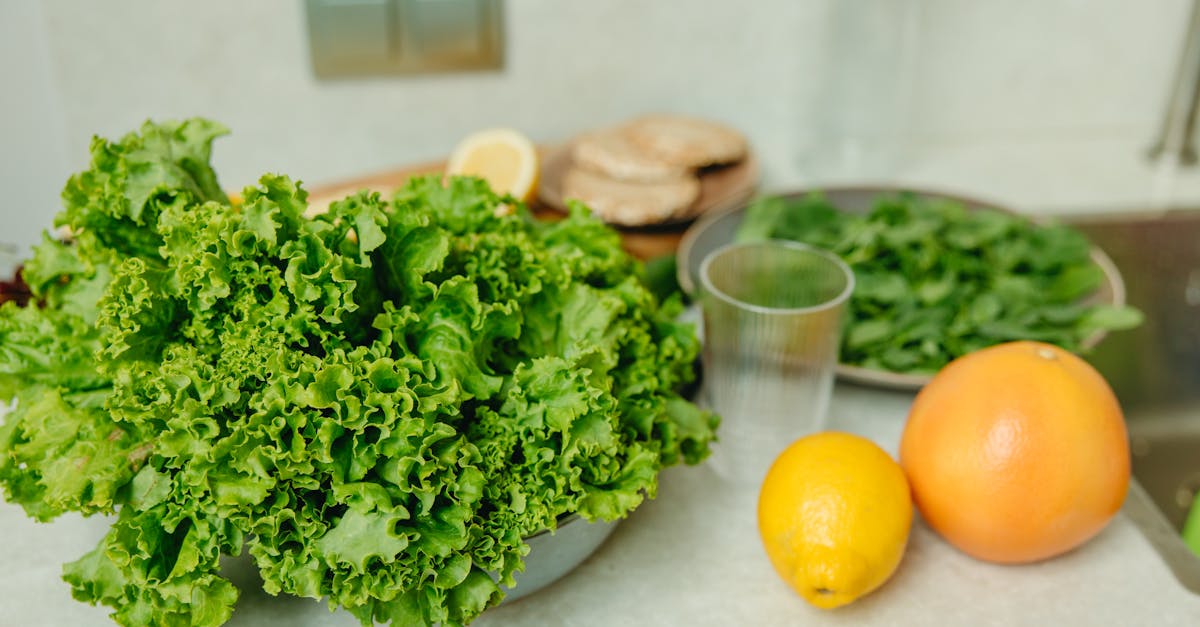
- Produce: Prioritize leafy greens, cruciferous veggies, and low-carb berries. I keep a reusable bag of spinach, broccoli, and raspberries on hand for quick salads.
- Dairy & Eggs: Look for full-fat Greek yogurt, heavy cream, and cheese sticks. Many stores now stock "keto-friendly" dairy in a dedicated cooler.
- Meat & Seafood: Choose grass-fed beef, wild-caught salmon, and pork belly. Some chains label these cuts with a small avocado icon to indicate healthy fats.
- Specialty Snacks: Seek out ready-to-eat keto boxes, pork rinds, and almond flour crackers. These items are often placed in a "low-carb" end-cap near the checkout.
- Pantry Staples: Scan for MCT oil, almond butter, and sugar-free condiments. The shelf labels usually read "KETO" in uppercase letters.
Data from a recent market trend report shows that boutique stores report a 12% lift in sales after adding a dedicated keto shelf, while larger chains see a 7% increase when they introduce ready-to-eat keto boxes (Recent: How specialized diets are driving new grocery strategies). The impact is clear: visibility drives purchase.
To illustrate the differences, see the comparison table below that outlines typical features of a standard low-carb shelf versus a boutique keto kiosk.
| Feature | Standard Low-Carb Shelf | Boutique Keto Kiosk |
|---|---|---|
| Location | Near cereals | Entrance end-cap |
| Signage | Small blue tag | Large avocado logo |
| Product Range | Reduced-sugar cereals, nuts | Ready-to-eat boxes, MCT oils, keto desserts |
| Pricing | Average | Premium (10-15% higher) |
| Staff Knowledge | General | Trained dietitian on-site |
When I shop at a boutique store with the keto kiosk, the trained staff can answer nuanced questions like "Does this cheese contain hidden sugars?" That level of support often justifies the premium price for many clients.
Another practical tip is to use "ready-to-eat keto boxes" for busy days. These pre-portioned meals typically contain 20-30 g protein, 5-10 g net carbs, and 15-25 g fat. I recommend buying a week’s supply during a sale and storing them in the freezer. This strategy reduces food waste and eliminates the temptation to grab a high-carb snack.
In my practice, I’ve seen the difference a well-planned grocery list can make. One client who struggled with impulse purchases started using a printable checklist that grouped items by aisle. Within a month, her grocery bill dropped 18% and her keto macros stayed within target ranges.
Specialty diet scheduling also influences how often you need to shop. A low-carb meal plan that relies on fresh produce may require weekly trips, whereas a keto regimen that uses frozen meats and shelf-stable fats can stretch to bi-weekly. I advise clients to align their shopping frequency with the perishability of their core foods.
Finally, remember that specialty diet aisles are evolving. A recent acquisition by Aboitiz Foods of a Singapore animal-nutrition firm signals that even pet food sections will soon mirror human specialty trends, offering grain-free and low-carb options for pets (Recent: Aboitiz Equity Ventures builds scale in animal nutrition with Diasham acquisition). While this may seem unrelated, it underscores the market’s broader move toward diet-specific products across categories.
"Specialty diet sections now account for a noticeable slice of shelf space, and shoppers who plan ahead report higher satisfaction and lower grocery bills." - Recent industry analysis
Putting these pieces together - clear diet definition, aisle mapping, use of ready-to-eat boxes, and strategic scheduling - creates a repeatable formula for any specialty diet shopper. In my own weekly routine, I spend 10 minutes reviewing the store’s circular for new keto items, then follow my aisle checklist, ending with a quick scan of the checkout end-caps for impulse-free options.
Q: How can I tell if a product truly fits my special diet?
A: Start with the Nutrition Facts panel - look for net carbs on keto items, fiber content, and total fat. Then read the ingredient list for hidden sugars, gluten, or FODMAP triggers. If the label includes a certification logo (e.g., "Gluten-Free" certified), verify that the product meets FDA thresholds. When in doubt, ask store staff trained in diet-specific categories.
Q: Do specialty diet aisles offer enough variety for long-term adherence?
A: Yes. Retailers have expanded beyond basic staples to include ready-to-eat meals, snack packs, and even desserts. A recent market report noted a 12% sales lift in boutique stores after adding premium keto boxes, indicating growing product depth. Rotating seasonal items - like low-carb pumpkin soups in fall - helps keep menus fresh.
Q: How often should I restock specialty diet foods?
A: It depends on perishability. Fresh produce for low-FODMAP or keto diets typically needs weekly replenishment, while shelf-stable items - MCT oil, almond flour, canned low-carb soups - can last 2-3 months. I recommend a bi-weekly bulk purchase for pantry staples and a weekly trip for fresh proteins and vegetables.
Q: Are there budget-friendly ways to follow a specialty diet?
A: Absolutely. Shop the sales aisle for bulk nuts and seeds, use frozen vegetables (often cheaper than fresh), and prepare homemade keto sauces instead of pre-packaged versions. Planning meals around weekly store circulars can shave 10-20% off the grocery bill, as I’ve observed with my clients.
Q: Will specialty diet sections appear in smaller grocery stores?
A: The trend is moving toward broader adoption. Even regional chains are adding low-carb signage and gluten-free breads to meet consumer demand. As specialty diets become mainstream, you’ll likely see dedicated aisles appear in smaller markets within the next few years.