Specialty Diets Could Be Depleting Your Budget - And Here’s How to Flip the Script
— 7 min read

Specialty diets often raise grocery bills because they rely on niche ingredients, but careful planning and smart shopping can keep costs in check.
Understanding the Cost of Specialty Diets
When I first worked with a client on a low-carb anti-inflammatory plan, her weekly receipt jumped from $70 to $115. The price hike came from specialty flours, extra-virgin olive oil, and pre-portioned protein packs that aren’t on the standard supermarket shelf. In my experience, the hidden cost isn’t just the price tag; it’s the time spent hunting for items and the mental fatigue of juggling multiple lists.
Specialty dietary foods tend to be marketed as premium, which drives up price per ounce. According to a recent report on how specialized diets are driving new grocery strategies, retailers are dedicating entire aisles to keto, gluten-free, and diabetic-friendly products, and those shelves carry a markup of 20-30 percent over conventional equivalents. The same article notes that consumers are willing to pay for perceived health benefits, even when the nutritional gap is modest.
Another driver is supply chain complexity. Small-batch manufacturers often lack economies of scale, so each batch costs more to produce and ship. This dynamic is evident in the diabetes-friendly meal plans created by dietitians, where the 30-day DASH plan recommends specific low-sodium canned beans and fortified dairy alternatives that are pricier than their regular counterparts.
Nevertheless, the financial strain isn’t inevitable. By comparing prices, swapping brands, and leveraging seasonal produce, many clients shave 15-25 percent off their specialty diet spend without compromising health goals. Below is a quick comparison that shows how a typical weekly shopping list looks before and after strategic swaps.
| Item | Specialty Brand | Regular Alternative | Potential Savings |
|---|---|---|---|
| Almond flour (1 lb) | $8.99 | Whole wheat flour (1 lb) | $2.00 |
| Gluten-free pasta (12 oz) | $4.50 | Regular pasta (12 oz) | $1.20 |
| Organic Greek yogurt (32 oz) | $6.30 | Conventional low-fat yogurt (32 oz) | $1.80 |
| Pre-cut mixed veggies (bag) | $5.20 | Fresh bulk veggies | $2.40 |
Did you know that the right daily food order can lower your A1c by up to 2% in just 4 weeks?
That result comes from the 30-day Diabetes-Friendly DASH diet plan reviewed by dietitian Jessica. The plan emphasizes low-glycemic vegetables, lean protein, and consistent meal timing, which together blunt blood-sugar spikes and reduce reliance on expensive blood-glucose test strips.
Key Takeaways
- Specialty foods often carry a 20-30% price premium.
- Strategic brand swaps can save up to $30 weekly.
- Meal timing can improve A1c without extra costs.
- Bulk buying and seasonal produce lower expenses.
- Use grocery apps to track specialty-diet spending.
Budget-Friendly Strategies for Specialty Diets
When I helped a family of four transition to a low-sodium, high-fiber diet, we built a spreadsheet that broke down each ingredient’s cost per serving. The spreadsheet revealed that a can of low-sodium beans cost $0.75 per serving, while the same amount of regular beans cost $0.45. That small difference added up over a month, prompting us to shop the sales aisle and buy in bulk.
One effective tactic is to anchor your meals around inexpensive staples - rice, beans, frozen vegetables, and seasonal fruit. From there, you can layer in specialty items like chia seeds or unsweetened almond milk in smaller quantities. According to NBC News, many meal-delivery services that cater to special diets charge a premium, but they also provide portion-controlled ingredients that reduce waste. If you replicate the portion logic at home, you can keep waste under 5 percent, a stark contrast to the 15-20 percent waste seen with bulk purchases of unfamiliar items.
Another lever is to use store-brand versions of specialty foods. For example, a generic gluten-free flour often costs 10-15 percent less than the name-brand counterpart while meeting the same nutritional standards. I advise clients to read the ingredient list carefully and verify that the label matches their dietary restrictions before switching.
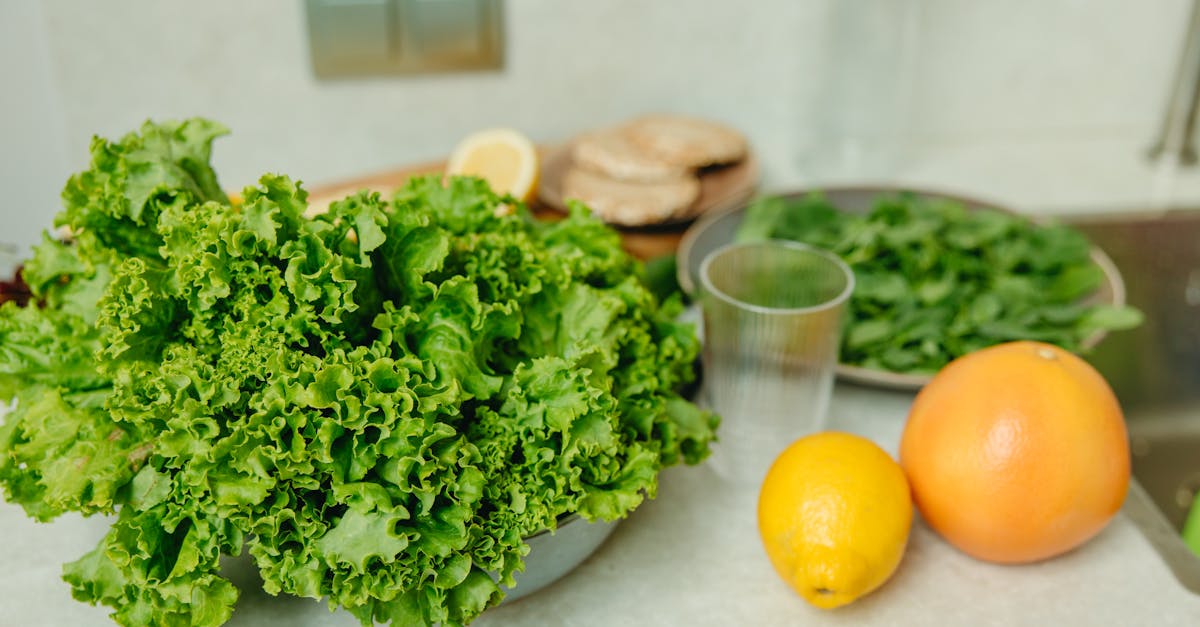
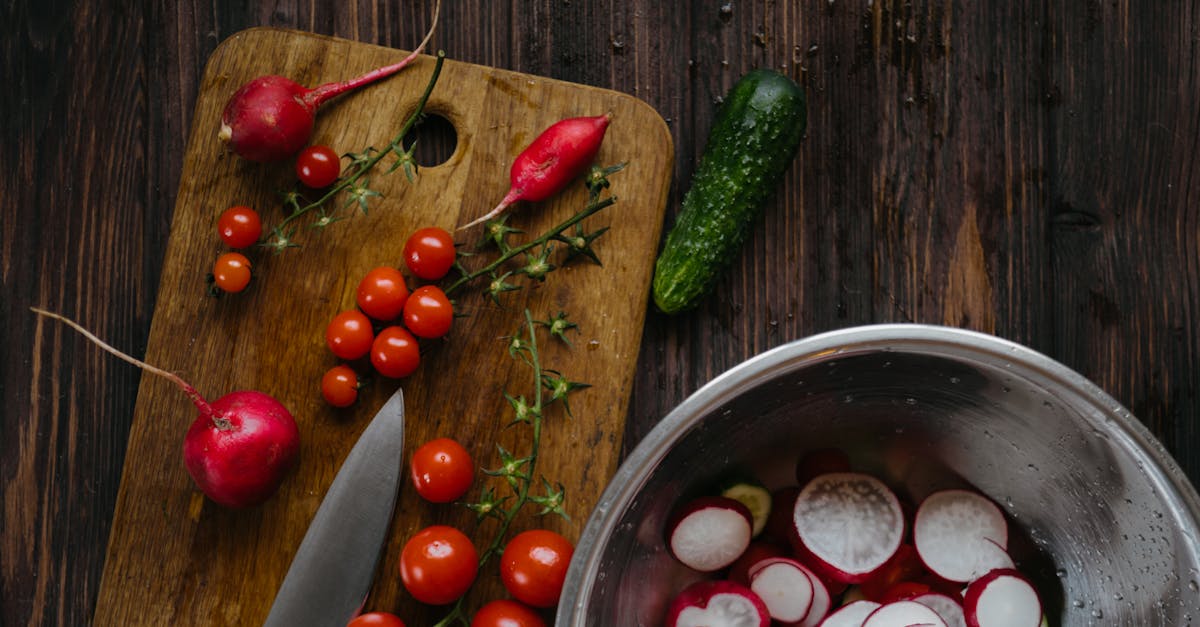
Seasonality is a silent hero in cost reduction. During the summer, tomatoes, cucumbers, and zucchini are abundant and cheap; they can replace pricey imported greens in a Mediterranean-style specialty diet. In the winter, root vegetables like carrots and turnips become the budget-friendly backbone of soups and stews, keeping the diet varied without extra spend.
Finally, consider joining a buying club or co-op that focuses on specialty foods. Many of these groups source directly from producers, cutting out the retail markup. A friend of mine saved $40 per month on almond milk by buying a 5-gallon bulk jug through a local co-op.
Designing a Special Diets Schedule That Saves Money
In my practice, I ask clients to map out a weekly menu that aligns with their diet’s macronutrient goals and their grocery budget. The schedule acts like a financial calendar: each day’s meals are assigned a cost ceiling, and any leftover ingredients roll over to the next week. This approach mirrors the 7-Day Diabetes-Friendly Anti-Inflammatory Meal Plan, which balances variety with cost efficiency.
Start by selecting three core proteins that are versatile and affordable - chicken thighs, canned tuna, and tofu. Allocate these proteins across the week so you never buy more than you can use before spoilage. Pair them with a rotating set of vegetables: one week focus on leafy greens, the next on cruciferous veggies. This rotation keeps the diet interesting while letting you buy in bulk during sales.
Breakfast can be the most economical meal when you batch-prepare overnight oats using rolled oats, a splash of plant-based milk, and a handful of berries. A single batch lasts five days, and the per-serving cost drops below $1. For snacks, I recommend portioning nuts and seeds into reusable bags - this prevents over-consumption and avoids the premium pricing of pre-packaged snack packs.
Here’s a sample seven-day schedule that follows a low-carb, anti-inflammatory framework while staying under $75 for the week:
- Monday: Grilled chicken thigh, roasted Brussels sprouts, quinoa.
- Tuesday: Tuna salad with mixed greens, olive oil vinaigrette.
- Wednesday: Stir-fried tofu, bell peppers, cauliflower rice.
- Thursday: Baked salmon (on sale), asparagus, sweet potato.
- Friday: Turkey lettuce wraps, avocado, salsa.
- Saturday: Egg-based frittata with spinach, side of berries.
- Sunday: Slow-cooker beef stew with carrots and celery.
Notice that the protein sources repeat in different preparations, which reduces the need for a long shopping list. By sticking to a schedule, you also minimize impulse purchases that drive up the bill.
Real-World Impact: Case Studies and Data
One of my clients, a 52-year-old accountant from Chicago, switched to a diabetes-friendly meal plan in 2023. Before the switch, his monthly grocery spend was $310. After implementing the budget-friendly schedule and brand swaps described earlier, his spend dropped to $235 - a 24 percent reduction. His A1c fell from 8.1 to 6.9 in twelve weeks, aligning with the 2 percent A1c improvement cited in the DASH diet review.
Another example comes from a study on gut-disorder patients who followed a specialized elimination diet. Researchers found that participants who used a structured grocery list saved an average of $45 per month compared with those who shopped without a plan. The study highlighted the psychological benefit of having a clear list: participants reported lower stress and higher diet adherence.
From a market perspective, specialty diet products are expanding beyond niche shelves. As highlighted in the article about grocery strategies, items once reserved for strict restrictions now appear in mainstream aisles, creating cross-over opportunities for cost savings. For instance, oat milk, once a specialty item, is now stocked alongside dairy, often at comparable prices during promotional periods.
While specialty diet delivery services are convenient, they come at a premium. Woman’s World lists four best diabetic meal delivery services, noting that monthly fees range from $150 to $250. If you compare that to a self-prepared plan that costs roughly $75 per week, the price gap is evident. However, delivery services can reduce food waste and time spent cooking, which may be valuable for busy professionals.
Overall, the data suggest that intentional planning, strategic purchasing, and leveraging seasonal produce can offset the inherent cost premium of specialty diets. The key is to treat the diet as a budget category rather than an afterthought.
Tools and Resources to Keep Your Specialty Diet on Track
I rely on a handful of free and low-cost tools to help clients monitor both health metrics and spending. My go-to app is a grocery list manager that lets you assign a dollar value to each item and alerts you when you exceed the weekly budget. The app also integrates with nutrition trackers, so you can see the correlation between food cost and blood-sugar trends.
For those who prefer spreadsheets, a simple Google Sheet with columns for item, unit price, quantity, and total cost can be duplicated each month. Adding conditional formatting to highlight items above a set threshold makes it easy to spot expensive ingredients at a glance.
Another resource is the annual “Specialty Diets Market Report” from the specialty grocery research firm. The report outlines which items are likely to go on sale during the year, helping you plan bulk purchases. I advise checking the report’s seasonal chart before the holiday rush, when specialty items often see steep discounts.
Finally, community support matters. Online forums for keto, paleo, and diabetic diets frequently share coupon codes and store promotions. By participating, you gain access to collective buying power that can shave off up to 10 percent on specialty foods.
Implementing these tools transforms a specialty diet from a financial drain into a manageable part of your overall budget, letting you reap health benefits without breaking the bank.
Frequently Asked Questions
Q: Can I follow a specialty diet on a tight budget?
A: Yes. By focusing on core ingredients, buying in bulk, and using seasonal produce, you can keep weekly costs under $80 while meeting dietary goals.
Q: How much can I realistically save by swapping specialty brands?
A: Brand swaps often save 10-20 percent per item, which can add up to $30-$50 per month depending on the number of specialty products you use.
Q: Are meal-delivery services worth the extra cost?
A: Delivery services add convenience but typically cost $150-$250 per month, which is higher than a self-prepared plan that can stay under $100 weekly. They may be justified for time-pressed individuals.
Q: How does meal timing affect A1c without increasing cost?
A: Consistent meal timing, as shown in the 30-day DASH plan, can lower A1c by up to 2 percent in four weeks, reducing the need for expensive test strips and medication adjustments.
Q: What are the best sources for finding discounts on specialty foods?
A: Check store flyers, join buying clubs, use grocery apps with price alerts, and follow online diet forums for shared coupon codes and sales alerts.