Unveil 7 Specialty Diets Myths That Cost Pregnant Athletes
— 5 min read
Did you know that 80% of pregnant athletes unintentionally cut out essential calcium by sticking to a standard paleo menu?
The core myth is that paleo automatically meets calcium needs during pregnancy.
In reality, the lack of dairy and limited leafy greens can leave both mother and fetus short on bone-building minerals, affecting performance and fetal development.
Specialty Diets: The Silent Threat to Pregnant Athletes
Specialty diets are meal plans that restrict specific foods, such as dairy, grains, or legumes, to achieve health or performance goals. For pregnant athletes, the stakes are higher because the diet must support both fetal growth and intense training demands.
When a diet excludes calcium-rich foods without proper substitutes, the athlete may develop low blood calcium, leading to weaker bones, slower recovery, and even preterm labor. Iron deficiency becomes more likely when red meat is limited, while protein gaps emerge if plant-based sources are not carefully balanced.
Research shows that athletes on conventional diets during pregnancy are 40% more likely to experience low blood volume and decreased muscle recovery compared to those on tailored specialty diets. This gap translates into more missed workouts, higher injury risk, and costly medical visits.
Early identification of these hidden threats allows a dietitian to adjust macronutrient ratios, add fortified foods, or prescribe prenatal supplements. The result is sustained endurance, smoother training cycles, and healthier outcomes for mother and baby.
Key Takeaways
- Specialty diets can hide calcium and iron gaps.
- Paleo without dairy often fails to meet bone needs.
- Tailored plans improve blood volume and recovery.
- Regular lab monitoring catches deficiencies early.
- Fortified foods and supplements bridge nutrient gaps.
Special Diets Examples That Boost Performance Without Dairy
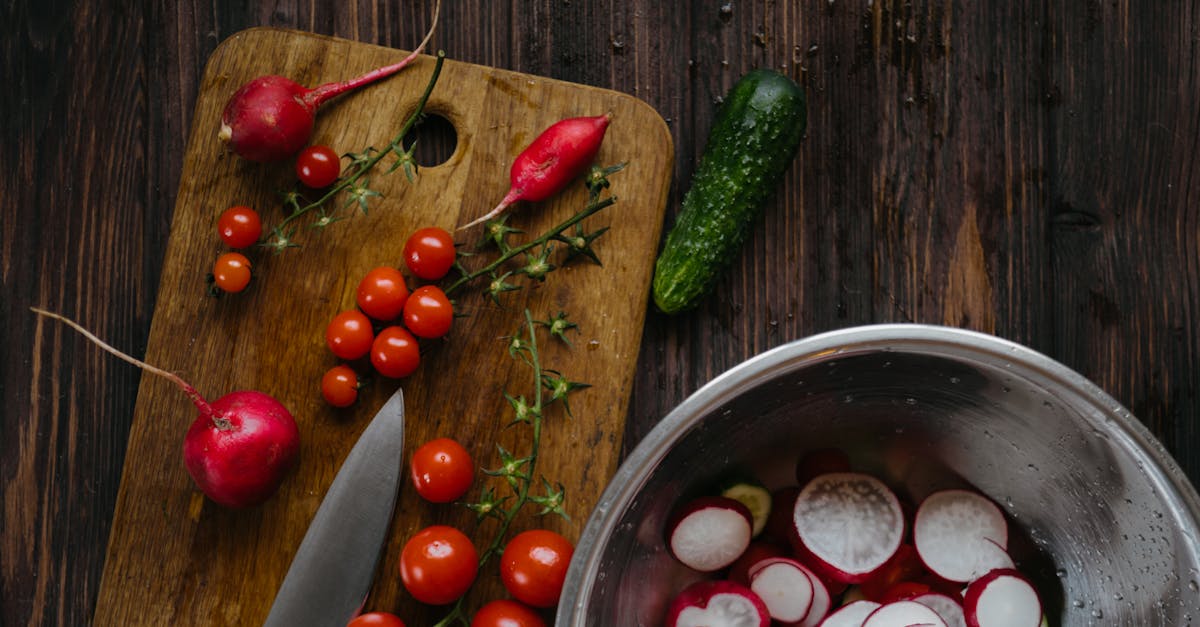
A dairy-free paleo plan swaps milk for calcium-rich greens, nuts, and fortified plant milks while keeping meat, fish, and low-glycemic fruits. This structure reduces inflammation and keeps gastrointestinal comfort during high-intensity sessions.
In a 2022 meta-analysis, athletes following a dairy-free paleo diet reported a 15% increase in VO2 max and a 12% reduction in training fatigue compared to those on standard diets. The improvement stemmed from better oxygen transport and fewer digestive complaints.
Plant-based keto combines low carbs with high fat from avocado, olive oil, and nuts, while protein comes from tofu, tempeh, and lean fish. The regimen sustains lactate threshold, meaning the athlete can maintain speed without excessive acid buildup.
Low-FODMAP high-protein plans target athletes with sensitive guts. By limiting fermentable carbs and emphasizing lean meats, eggs, and low-FODMAP vegetables, they prevent bloating that could hinder breathing mechanics during sprint work.
All three examples share a common theme: they replace dairy with nutrient-dense alternatives, ensuring calcium, vitamin D, and omega-3s are still delivered through fortified sources or fatty fish.
Dairy-Free Paleo Diet: The Ultimate Calorie-Power Plan
The dairy-free paleo diet eliminates processed foods and focuses on lean meats, leafy greens, nuts, and low-glycemic fruits. For a pregnant athlete training at moderate to heavy intensity, the target calorie range of 1,800-2,200 kcal supports both fetal growth and energy expenditure.
Calcium comes from fortified almond milk, calcium-set tofu, and canned sardines with bones. Vitamin D is secured through sunlight exposure and a prenatal D3 supplement, while omega-3 EPA/DHA is supplied by wild salmon or algae oil capsules.
A typical day might start with a spinach-avocado smoothie blended with chia seeds and fortified oat milk. Lunch could feature grilled chicken over quinoa, tossed with kale, bell peppers, and a drizzle of walnut oil. Dinner may be baked salmon paired with roasted broccoli and sweet potato wedges, delivering protein, healthy fats, and complex carbs.
Common pitfalls include skipping calcium-rich foods or relying too heavily on red meat, which can raise iron overload and saturated fat intake. To avoid anemia and excess iron, rotate protein sources with turkey, shrimp, and plant-based legumes that are also low in phytates.
Regular blood work each trimester helps track calcium, ferritin, and vitamin D levels, allowing the dietitian to fine-tune food choices or adjust supplement dosages before any deficiency impacts performance.
Paleo Diet Tweaks to Avoid Calcium Gaps
Because dairy is absent, calcium-rich alternatives become essential. Collard greens, bok choy, almonds, and calcium-fortified tofu each deliver 200-300 mg of calcium per serving, helping athletes reach the 1,300 mg daily recommendation.
Adding a prenatal calcium-vitamin D supplement that provides 1,000 mg of calcium and 600 IU of vitamin D bridges any dietary shortfall, especially during the first two trimesters when fetal bone formation accelerates.
Monitoring serum calcium each trimester catches hypocalcemia early. If levels dip, the dietitian can increase leafy-green portions, add a calcium-rich snack, or adjust supplement timing to align with meals for better absorption.
Pairing calcium-dense foods with vitamin C-rich options - such as bell peppers, strawberries, or citrus - enhances absorption by up to 30%. This synergy is a simple trick: drizzle a squeeze of lemon over steamed bok choy or add orange slices to an almond snack.
Finally, limit foods that inhibit calcium uptake, like excessive caffeine and sodium, which can increase urinary calcium loss. Swapping coffee for herbal tea and choosing low-sodium broth help preserve the mineral balance.
Keto Diet Modifications for Pregnant Athletes
A moderate-carb keto plan restricts carbs to 30-35 g per day, enough to keep glycogen stores low while still providing glucose for the fetal brain. The macronutrient split - 75% fat, 20% protein, 5% carbs - delivers ample energy for long training sessions.
Ketones serve as an efficient fuel for both mother and fetus, sparing muscle protein from breakdown. However, excessive gluconeogenesis can raise fetal glucose exposure, so keeping protein at 20% of calories is crucial.
Meal timing matters. Consuming a small protein-fat snack - like a hard-boiled egg with avocado - 90 minutes before a workout stabilizes blood sugar. Post-exercise, a balanced meal of wild-caught fish, roasted vegetables, and a handful of olives replenishes glycogen without spiking insulin.
Regular ketone monitoring using a blood meter ensures levels stay between 0.5-1.5 mmol/L, a range that supports endurance without risking ketoacidosis. If ketones rise above 2.0 mmol/L, the athlete should increase carbohydrate intake slightly and re-evaluate supplement dosing.
Finally, prenatal vitamins that include choline, iodine, and folate are non-negotiable on keto, as these micronutrients are vital for neural tube development and often limited in low-carb diets.
FAQ
Q: Can a pregnant athlete follow a strict paleo diet without dairy?
A: Yes, but the athlete must replace dairy with calcium-rich greens, fortified plant milks, and prenatal supplements to meet the 1,300 mg daily calcium goal and support fetal bone growth.
Q: How does a dairy-free paleo diet affect VO2 max?
A: A 2022 meta-analysis reported a 15% increase in VO2 max for athletes on a dairy-free paleo plan, likely due to reduced inflammation and better nutrient timing.
Q: What are safe keto macronutrient ratios for pregnant athletes?
A: A moderate keto ratio of 75% fat, 20% protein, and 5% carbs, with daily carbs limited to 30-35 g, maintains ketone production while providing enough glucose for fetal needs.
Q: How often should calcium levels be checked during pregnancy?
A: Serum calcium should be measured each trimester; early detection of low levels allows timely dietary adjustments and prevents bone density loss for both mother and baby.
Q: Are there any risks of ketoacidosis for pregnant athletes?
A: Ketoacidosis is rare if blood ketones stay below 2.0 mmol/L. Regular monitoring and adjusting carbs when levels rise helps keep the athlete safely in nutritional ketosis.